
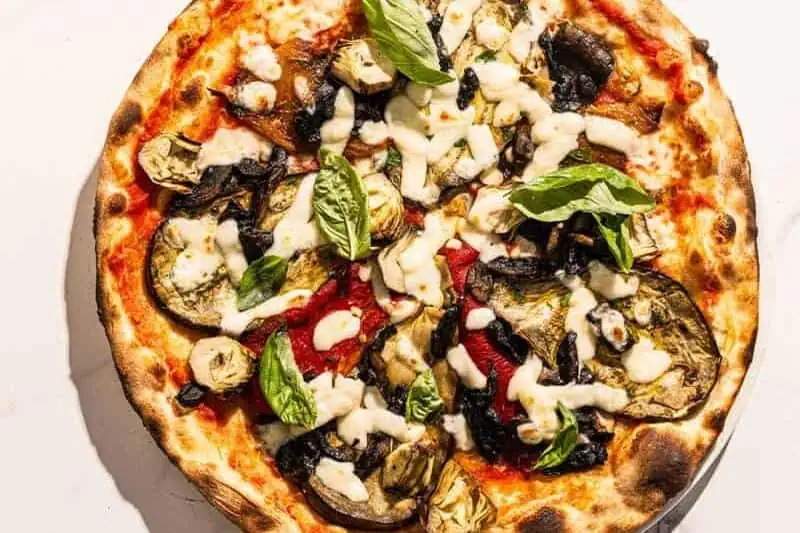
Roman pizza is one of Italy’s most craveable regional styles, and once you understand what makes it different, you’ll start tasting it everywhere: the crisp bite, the clean structure, the way toppings stay defined instead of blending into one soft, heavy mouthful.
But “Roman pizza” isn’t a single format. It’s a family of traditions from Rome, shaped by technique and eating culture. Some versions are round and paper-thin. Others are known for an extra-loud crunch. And yes, Rome is also famous for pizza served by the slice.
So what is Roman pizza, really? And how does it differ from Neapolitan pizza, the softer style most people picture when they hear “authentic Italian pizza”?
Let’s break it down clearly, then bring it back to the table at 170 Grammi in Surry Hills, where Roman pizza is celebrated for what it truly is: crisp, structured, light, and made for sharing.
👉 Book a table and try Roman pizza in Surry Hills
What is Roman pizza?
Roman pizza is a style from Rome known for a thin base, a crisp bite, and a more structured slice that holds its shape. Unlike softer, foldable pizzas, Roman pizza is designed to stay crisp and clean under toppings, with flavours that taste sharper and more defined.
In practice, Roman pizza is often described as:
- Crisp rather than soft
- Thin rather than puffy
- Structured rather than floppy
- Light and moreish rather than heavy
That doesn’t mean it’s “less satisfying”. It means the satisfaction comes from texture and clarity, not density.
The two Roman styles you’ll hear most: La Tonda Romana and Scrocchiarella
When people talk about Roman pizza, two names come up constantly. They’re related, often confused, and both worth knowing because they describe slightly different expressions of Roman crispness.
La Tonda Romana
La Tonda Romana is the classic round Roman pizza. “Tonda” means round, and this style is known for being very thin with a crisp, almost cracker-like base. It’s precise and restrained: if the dough isn’t right, there’s nowhere to hide. When it is right, the payoff is a clean bite and sharp flavour definition from first slice to last.
Scrocchiarella
Scrocchiarella is often used to describe a Roman dough style known for an extra-loud crunch. The word is linked to the sound and sensation of crunching. Compared to a classic Tonda, Scrocchiarella-style texture is often more aerated, with a lighter internal feel paired with that signature crackly crispness.
Both styles live under the Roman umbrella. Both are obsessed with crispness. The difference is how the interior feels when you bite through the base: classic thin structure for Tonda, versus crackly crispness with more aeration for Scrocchiarella.
👉 Go deeper on La Tonda Romana vs Scrocchiarella
Is Roman pizza always rectangular like pizza al taglio?
No. This is one of the most common misconceptions.
Pizza al taglio (pizza “by the cut”) is a famous Roman format often served in rectangular trays and sold by weight or by slice. It’s part of Rome’s pizza culture, but it’s not the only expression of Roman pizza.
Roman pizza also includes round styles like La Tonda Romana and Scrocchiarella, which are designed to be sliced and shared at the table. So if you’ve only ever associated Roman pizza with rectangle slices, there’s a whole other Roman tradition waiting for you.
How Roman pizza differs from Neapolitan pizza
Roman and Neapolitan pizza both come from Italy, but they were built for different eating habits and different outcomes.
Neapolitan pizza (Naples)
- Soft and pliable, often foldable
- Puffy, airy rim (cornicione)
- Designed to be eaten quickly while it’s hot and soft
- Texture is tender and delicate, with a wetter centre
Roman pizza (Rome)
- Thin and crisp with a dry, clean bite
- More structured slices that hold shape
- Toppings stay defined because the base remains crisp
- Encourages sharing and variety across the table
Neither is “more authentic”. They’re simply different regional solutions to the same delicious problem.
Why Roman pizza is crisp and structured
Roman pizza texture isn’t created by toppings. It’s created by technique. A crisp base that stays structured under toppings is the result of smart dough decisions and controlled baking.
At a high level, Roman pizza’s signature bite is shaped by three big levers.
High-hydration dough
Hydration is the amount of water in the dough relative to flour. Roman dough often uses higher hydration, which can support a more open internal structure and a lighter bite when it’s fermented and baked with control. That open structure helps the pizza feel airy inside while still crisp outside.
👉 Learn why high-hydration dough matters in Roman pizza
Longer fermentation
Fermentation is time doing quiet work: developing flavour, improving dough structure, and creating a more balanced texture. Roman pizza relies on precision, and controlled fermentation supports both the crisp bake and the overall eating experience.
👉 Read the role of long fermentation in Roman pizza
Controlled baking for a clean “snap”
Crispness isn’t just “more cooking”. It’s the right bake, at the right moment, for the right dough. When Roman pizza is baked properly, the exterior sets cleanly and the slice holds its shape, while the interior stays balanced instead of dense.
The result is the Roman signature: crisp, structured, and easy to keep eating without feeling weighed down.
👉 Read why Roman pizza often feels lighter
How Roman pizza should be eaten
If you want the best Roman pizza experience, don’t order like you’re dining solo. Roman pizza is built for variety.
Order multiple pizzas and share
Because the base is structured, slices hold up beautifully when shared. That means you can try different flavours across the table without everything collapsing into a soft, messy situation.
Choose contrast
A simple Roman-style ordering approach is:
- One classic flavour
- One veg-forward or lighter option
- One richer Roman favourite
That contrast keeps the meal balanced, keeps everyone included, and makes the experience feel more like a Roman night out than a single-topping commitment.
👉 Use our guide on what to order at 170 Grammi
What Roman pizza looks like at 170 Grammi
At 170 Grammi, Roman pizza is celebrated as its own craft. The focus is on texture, structure, and flavour clarity, in a round Roman format inspired by La Tonda Romana, with technique influences that nod to Scrocchiarella.
That means pizzas designed to be:
- Crisp from edge to centre
- Structured enough to slice and share cleanly
- Balanced so toppings stay clear and defined
- Enjoyable across a full meal, not just the first two minutes
If you’re new to Roman pizza, the best way to understand it is simple: order with variety, share across the table, and pay attention to the base. The crunch isn’t a gimmick. It’s the style.
👉 Explore the dine-in menu
👉 Visit us in Surry Hills
Roman pizza at home: does it still work as takeaway?
Roman pizza’s structured base makes it a natural fit for takeaway. A crisp style that holds its shape can travel more confidently than soft, delicate pizza styles.
If you’re celebrating at home, the best move is to keep the Roman spirit: order a few pizzas with contrast, slice them up, and share them in the middle. It turns takeaway into a proper meal.
👉 Order Roman pizza online
👉 Browse the takeaway menu
The takeaway: Roman pizza is a texture-first tradition
Roman pizza is defined by crispness, structure, and a lighter, more shareable rhythm. It includes round styles like La Tonda Romana and crunch-forward expressions like Scrocchiarella, and it’s not limited to rectangular pizza al taglio.
Once you understand those fundamentals, you’ll start tasting Roman pizza differently: a base with definition, toppings with clarity, and a slice that’s designed to be shared.
Ready to taste the Roman difference in Sydney?
👉 Book a table at 170 Grammi
👉 Browse all menus
👉 Start at the home page
👉 Contact us with any questions
Frequently Asked Questions
Roman pizza is a style from Rome known for a thin base, crisp bite, and structured slice that holds its shape under toppings.
No. Pizza al taglio is often rectangular, but Roman pizza also includes round styles like La Tonda Romana and Scrocchiarella.
La Tonda Romana is a classic round Roman pizza style that’s very thin with a crisp, almost cracker-like base.
Scrocchiarella is a Roman style associated with an ultra-crisp, crackly bite and a lighter, more aerated internal structure.
Roman pizza is thinner and crispier with more structure, while Neapolitan pizza is softer with a puffier crust and a more delicate centre.
Order multiple pizzas with contrast and share them across the table so you can compare flavours and texture slice by slice.