
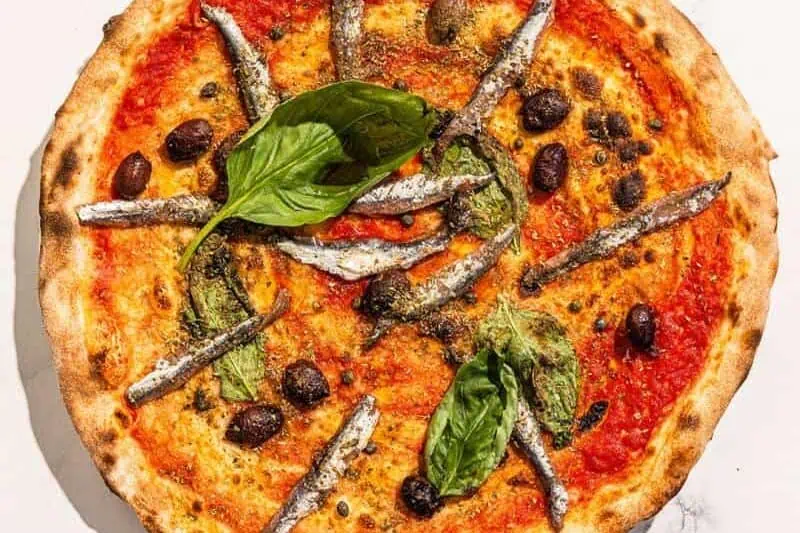
Roman pizza isn’t defined by toppings. It isn’t defined by shape. It isn’t even defined by crunch alone.
What truly sets it apart is time.
Long fermentation is one of the quiet foundations behind Roman pizza’s signature texture: crisp on the outside, light inside, structured without feeling heavy. At 170 Grammi, fermentation isn’t a buzzword. It’s a deliberate technical decision that shapes how every pizza eats—slice after slice.
So what does “long fermentation” actually mean, and why does it matter so much in Roman pizza? Let’s break it down in a way that makes sense at the table (not just in the kitchen).
👉 Book a table and taste Roman pizza the way it’s meant to be
What “long fermentation” means in pizza dough
Fermentation is the process where yeast interacts with flour and water, slowly developing flavour, structure, and internal air pockets in the dough.
In Roman pizza, fermentation typically runs far longer than many commercial doughs. The goal is not to make dough rise quickly. The goal is to let it evolve gradually.
Given enough time, fermentation helps dough:
- Develop deeper flavour
- Build stronger internal structure
- Create a lighter crumb
- Improve balance and texture
That’s why long fermentation sits at the centre of Roman pizza craft. It’s not a garnish. It’s part of the foundation.
👉 Read what defines Roman pizza (beyond toppings)
Why time matters in Roman pizza
Roman pizza is designed to be crisp, but not dense. Structured, but not stiff. That balance comes from what happens before the oven.
During long fermentation, several important changes happen in the dough:
- Enzymes begin breaking down starches in the flour
- Gluten structure strengthens and relaxes
- Natural flavour compounds develop
- The dough becomes more extensible and workable
The result is dough that bakes evenly and creates the contrast Roman pizza is known for: a dry, crisp exterior with an airy interior.
When fermentation is rushed, dough can end up flatter in flavour and heavier in texture. When it’s given time, the pizza becomes more balanced—especially in a style where crispness and structure are non-negotiable.
Long fermentation and flavour: why it tastes “deeper”
Great Roman pizza doesn’t taste like “more ingredients”. It tastes like more clarity.
Extended fermentation helps build flavour in the dough itself, so the base brings character—not just crunch. That matters because Roman pizza is thin and structured, which means every bite has a higher dough-to-topping ratio than you might expect. If the dough tastes bland, the whole pizza can feel one-dimensional. If the dough tastes developed, everything on top tastes more intentional.
In practical terms: long fermentation gives you a base that tastes more complex, more aromatic, and more complete—before you even think about what’s on top.
Fermentation and “digestibility”: what we can (and can’t) claim
One of the most common questions about Roman pizza is why it often feels lighter.
While every person experiences food differently, longer fermentation allows the dough to develop in a way that many diners describe as easier to eat. The slow breakdown of starches and proteins changes how the dough behaves both structurally and texturally.
It’s important to keep this grounded: it’s not about health claims. It’s about how the pizza feels—less dense, less heavy, and easier to keep enjoying across multiple slices.
👉 Learn why Roman pizza can feel crispier and lighter
The relationship between fermentation and crunch
Roman pizza is famous for crunch—especially in styles influenced by La Tonda Romana and Scrocchiarella.
But that crunch doesn’t come from baking alone. It comes from a combination of:
- Well-developed gluten structure
- Proper hydration
- Controlled fermentation
- Careful baking
When fermentation is rushed, dough lacks internal balance. When it’s given time, moisture escapes more evenly during baking. That allows the exterior to set cleanly while the interior stays airy—creating crispness without becoming dry.
In other words: fermentation helps the crunch land the right way. Not brittle. Not tough. Just that clean Roman snap that keeps you reaching back for “one more bite”.
👉 Explore La Tonda Romana vs Scrocchiarella (and how texture changes)
Long fermentation vs speed: why Roman pizza refuses to rush
Modern food culture loves shortcuts. Roman pizza doesn’t.
Fast-fermented dough can rise quickly, but it often lacks:
- Depth of flavour
- Balanced elasticity
- Internal air structure
- Textural refinement
Long fermentation requires planning, control, and patience. But it produces dough that behaves predictably in the oven—which is essential when crispness is the goal.
Roman pizza rewards time, because time creates structure. And structure is what makes Roman pizza feel like Roman pizza.
How long fermentation helps toppings stay balanced
Roman toppings are meant to sit cleanly on the base. They shouldn’t soak through or collapse the structure.
Proper fermentation strengthens the dough so it can:
- Support toppings evenly
- Maintain crispness under moisture
- Hold its shape from first slice to last
This matters even more when you’re sharing across the table. Nobody wants the last slice to feel soft or soggy. Long fermentation helps keep the experience consistent—so the pizza eats the way it’s meant to, right to the end.
👉 Explore the Roman pizza menu
How long fermentation works with high hydration
Fermentation rarely works in isolation. In Roman pizza, it’s closely tied to hydration—how much water is in the dough relative to flour.
Higher hydration and long fermentation work together to build the contrast Roman pizza is known for: crisp outside, airy inside, structured without heaviness. The extra water supports gradual development, and time allows the dough to transform instead of simply rise.
That’s why Roman dough is a system, not a single trick. Texture comes from the combination: hydration, fermentation, handling, and controlled baking.
👉 Read why high-hydration dough is key to Roman pizza
Where 170 Grammi fits: Roman technique, Surry Hills energy
At 170 Grammi, Roman pizza is shaped by:
- High-hydration dough
- Extended fermentation
- Careful handling
- Controlled baking
Our pizzas are round and inspired by traditional Roman technique, combining the thin crispness of La Tonda Romana with the open structure associated with Scrocchiarella. The goal isn’t to chase labels—it’s to deliver the best possible texture, flavour clarity, and balance.
Fermentation isn’t visible on the plate, but it’s present in every bite. It’s the reason the base holds its shape. It’s the reason the crunch stays clean. It’s the reason you can share multiple slices and still feel like going back for more.
👉 Get to know our Roman pizza philosophy
👉 Visit us in Surry Hills
The simplest takeaway: Roman pizza is built before it’s baked
If you remember one thing, make it this: Roman pizza isn’t made in the last two minutes of baking. It’s made in the hours and planning that come before it.
Long fermentation is one of the key reasons Roman pizza tastes more developed, feels lighter, and stays crisp and structured across the meal. It’s not flashy—but it’s foundational.
So next time you hear “long fermentation”, you’ll know what it really means: time doing the quiet work that turns dough into Roman pizza.
👉 Book a table and experience Roman crunch for yourself
👉 Ordering in? Get Roman pizza delivered or ready for pickup
Frequently Asked Questions
Long fermentation means allowing pizza dough to develop slowly over an extended period, improving flavour, structure and texture.
Roman pizza relies on structure and crispness, and longer fermentation helps create a balanced internal crumb that supports that texture.
Yes. Extended fermentation allows natural flavour compounds to develop, creating a deeper and more complex taste.
Many people find long-fermented dough feels lighter, though individual experience varies.
Yes. Proper fermentation strengthens gluten structure, allowing moisture to escape evenly during baking and creating a crisp exterior.
High hydration and long fermentation work together to create a crisp exterior with an airy interior, helping Roman pizza stay structured and balanced.