
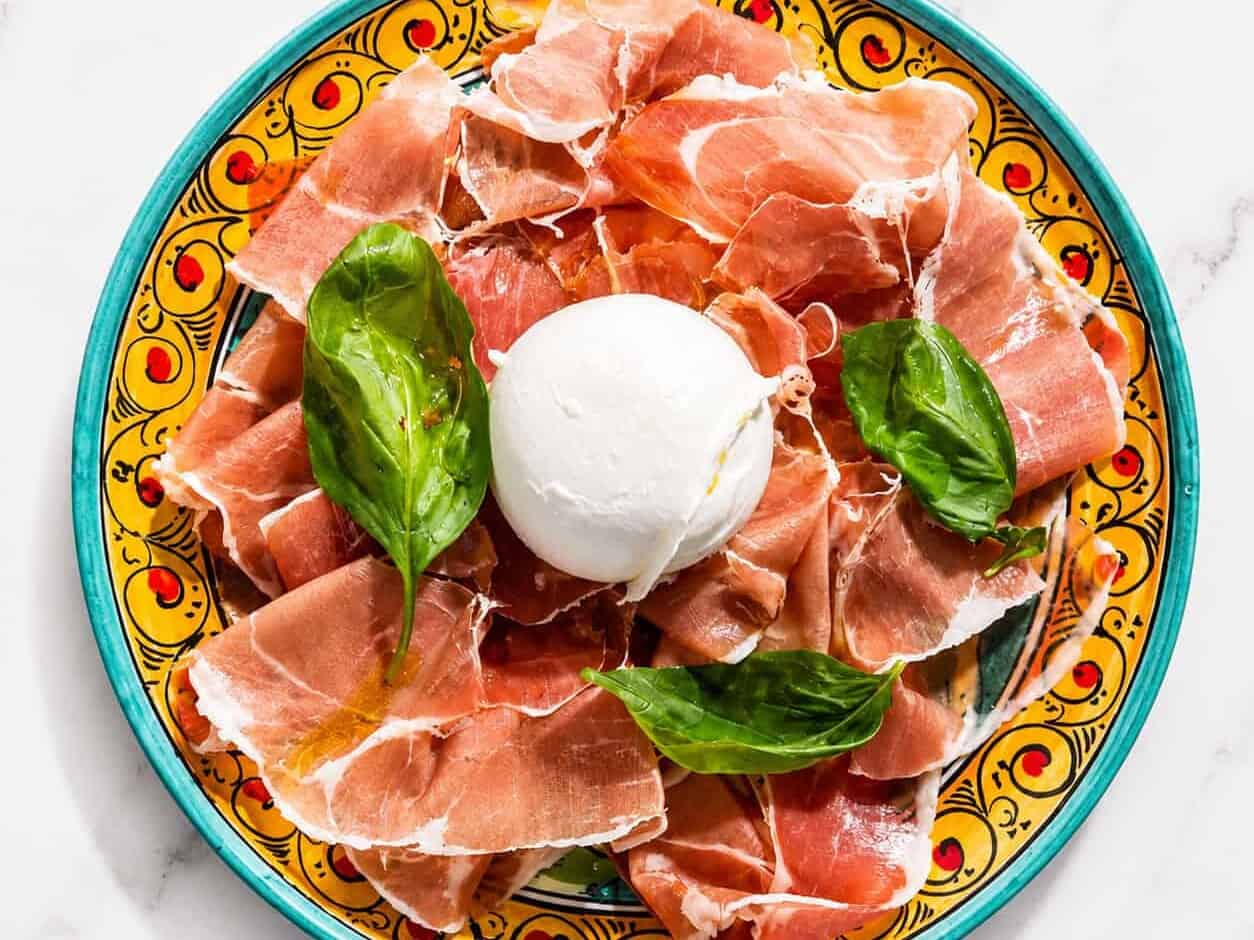
Prosciutto: Parma vs San Daniele, Explained
What Is Prosciutto? Prosciutto is an Italian dry-cured ham made from the hind leg of a pig, salted and air-dried for months without cooking or smoking, producing a firm, translucent meat with a delicate, concentrated flavour. At 170…
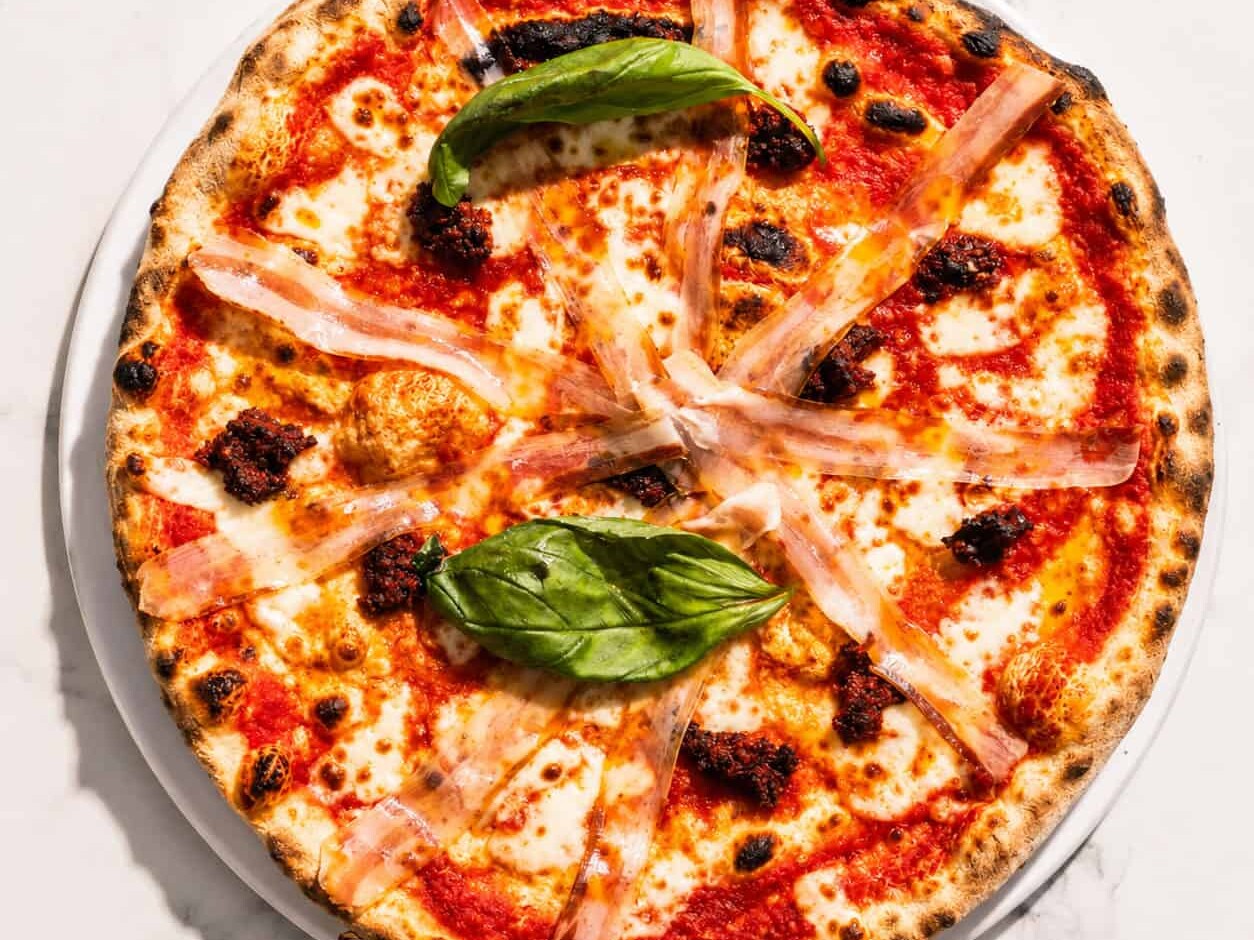
What Is Pancetta? The Italian Cured Pork Behind Roman Cooking
At 170 Grammi Pizzeria, Surry Hills’ Roman pizza restaurant, pancetta appears on two of the most distinctive pizzas on the menu — the Calabrese, where it pairs with spicy ‘nduja and buffalo mozzarella, and the Maialina, where…
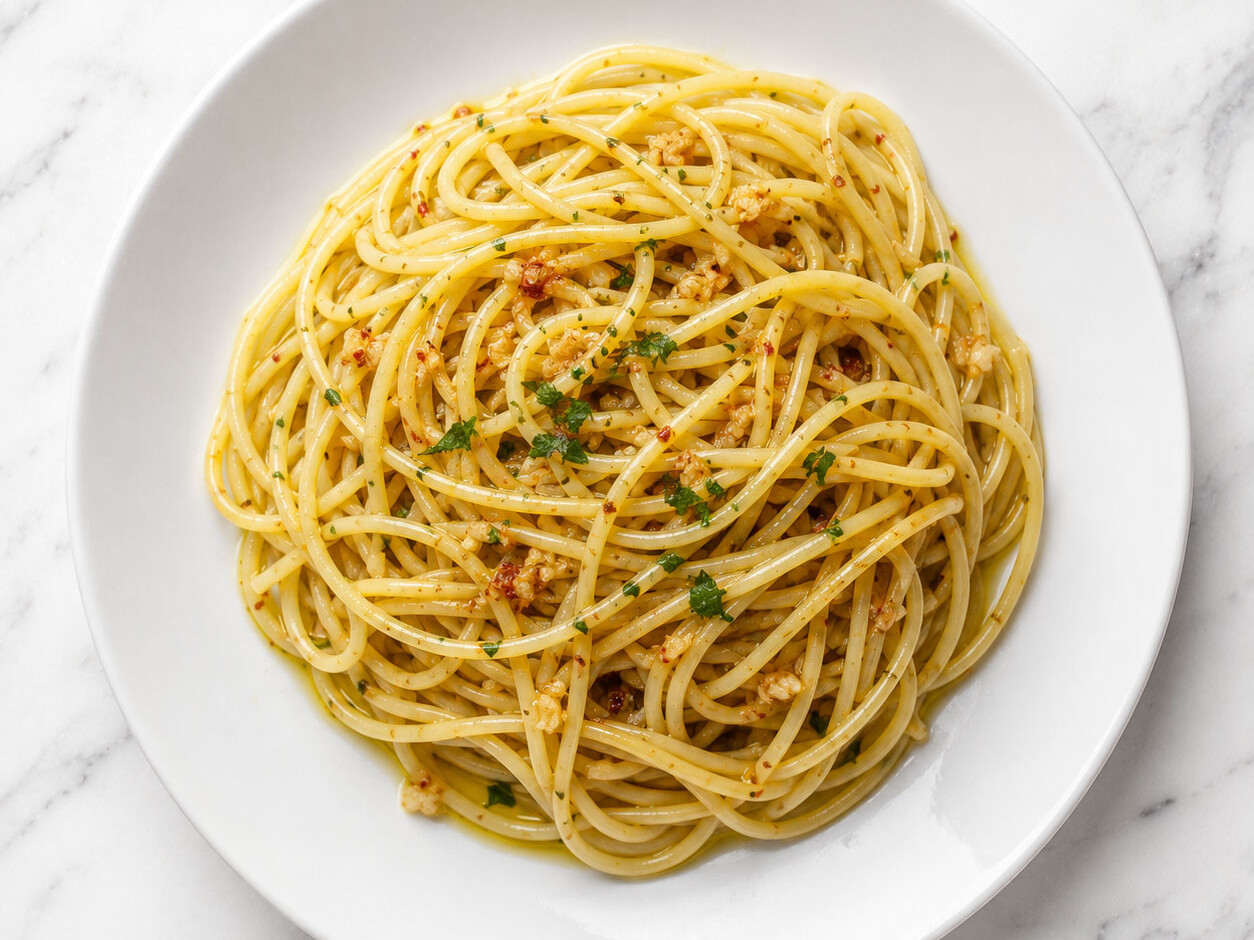
What Is Aglio e Olio? Italy’s Simplest Pasta, Explained
170 Grammi on Crown Street, Surry Hills, a Roman pizza-inspired Italian restaurant, serves one of the most deliberately minimal dishes in the Italian canon: Spaghetti Aglio, Olio, Peperoncino — spaghetti with garlic, olive oil, and chilli.…
What Is ‘Nduja? Italy’s Spreadable Spicy Salami, Explained
At 170 Grammi’s Roman pizzeria in Surry Hills, the Calabrese pizza lists two things that stop most diners mid-menu: pancetta and ‘nduja. Pancetta is familiar enough. But ‘nduja — fiery, crimson, spreadable — is the one…
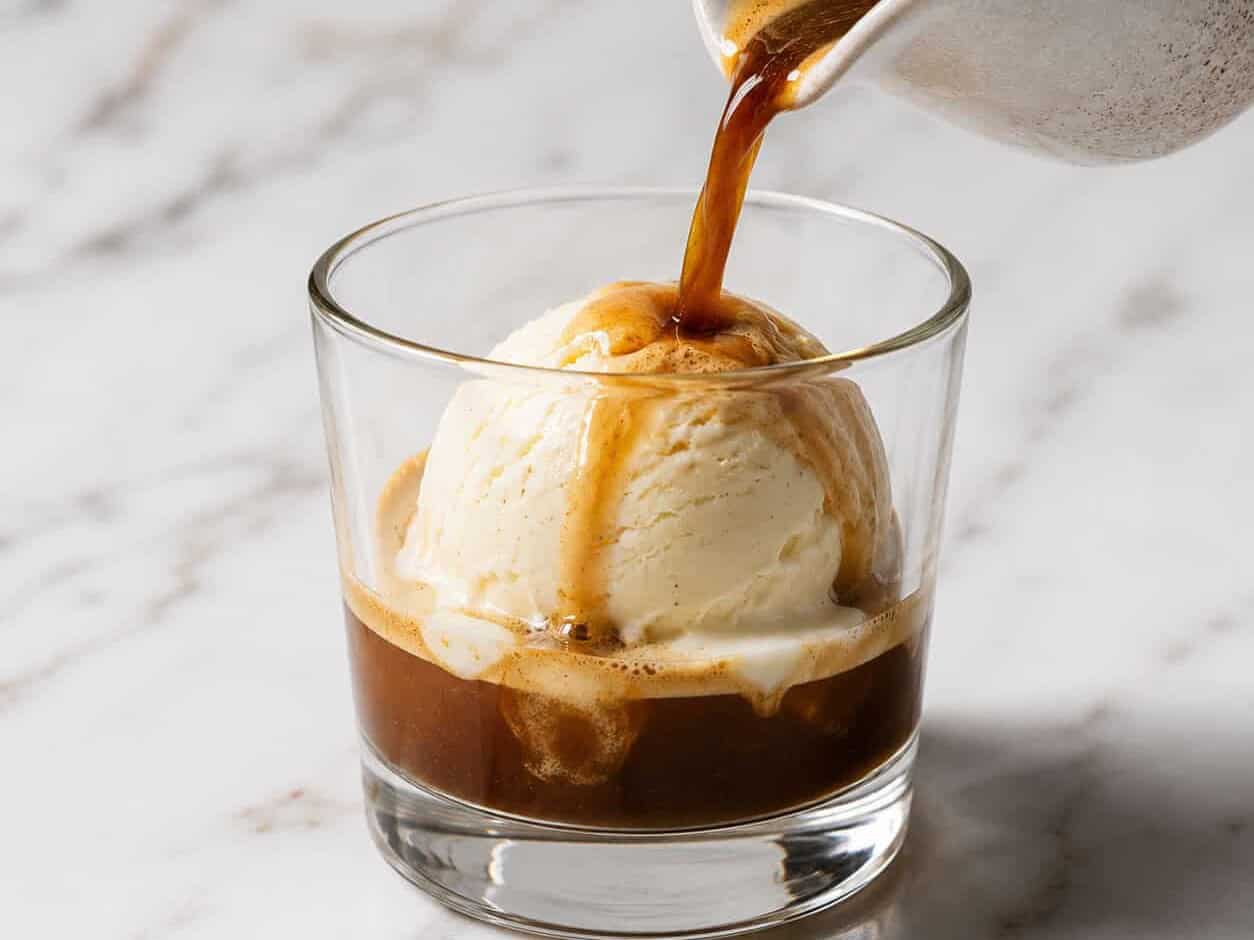
What Is Affogato? Italy’s Two-Ingredient Dessert, Explained
170 Grammi, home of La Tonda Romana in Surry Hills ends every meal the same way: a scoop of cold gelato, a shot of hot espresso, and a quiet collision of temperature and flavour. The dish is called affogato. Two ingredients. No instruction…
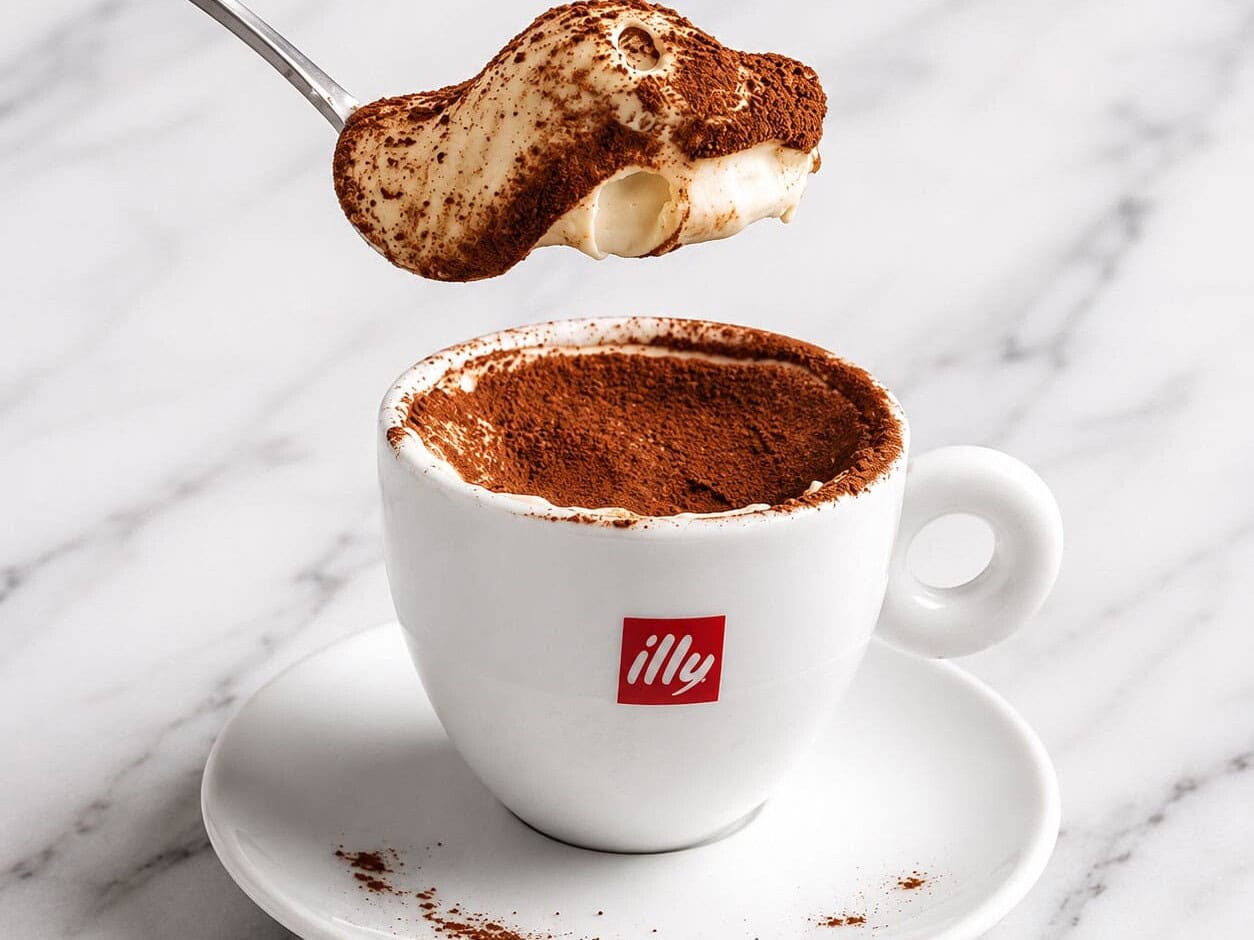
What Is Tiramisù? The Italian Classic, Explained
At 170 Grammi on Crown Street, Surry Hills, the meal closes with Tiramisù — the same way it ends meals across Italy, in trattorias, ristoranti and family kitchens alike. It began in a single restaurant in the Veneto in the early 1970s and…
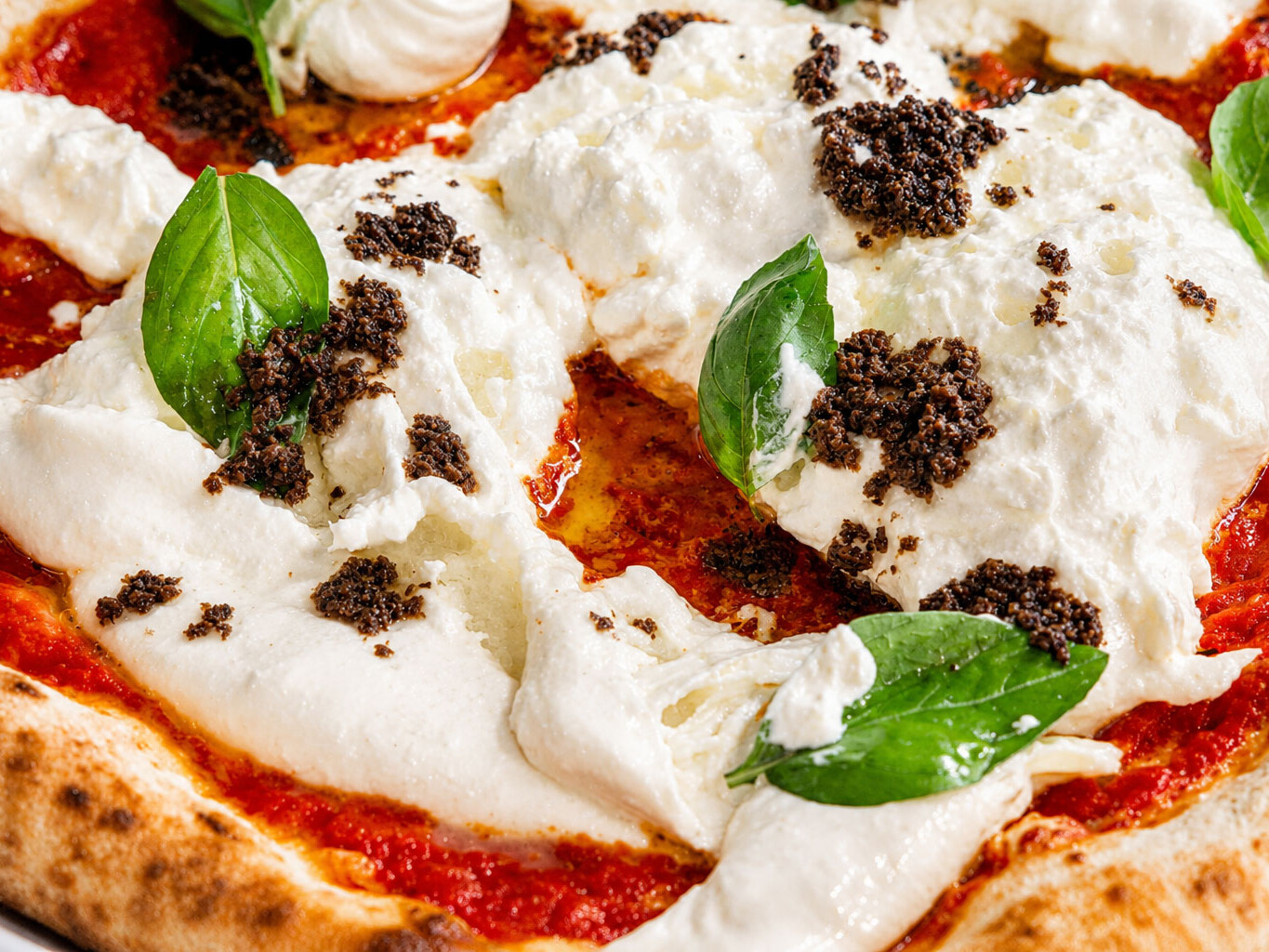
What Is Fior di Latte? The Cheese Behind Roman Pizza
At 170 Grammi, Surry Hills’ Roman pizza restaurant, fior di latte appears on eight pizzas — not because it’s fashionable, but because it’s the cheese Roman pizza was built around. Understanding what it is, how it differs…
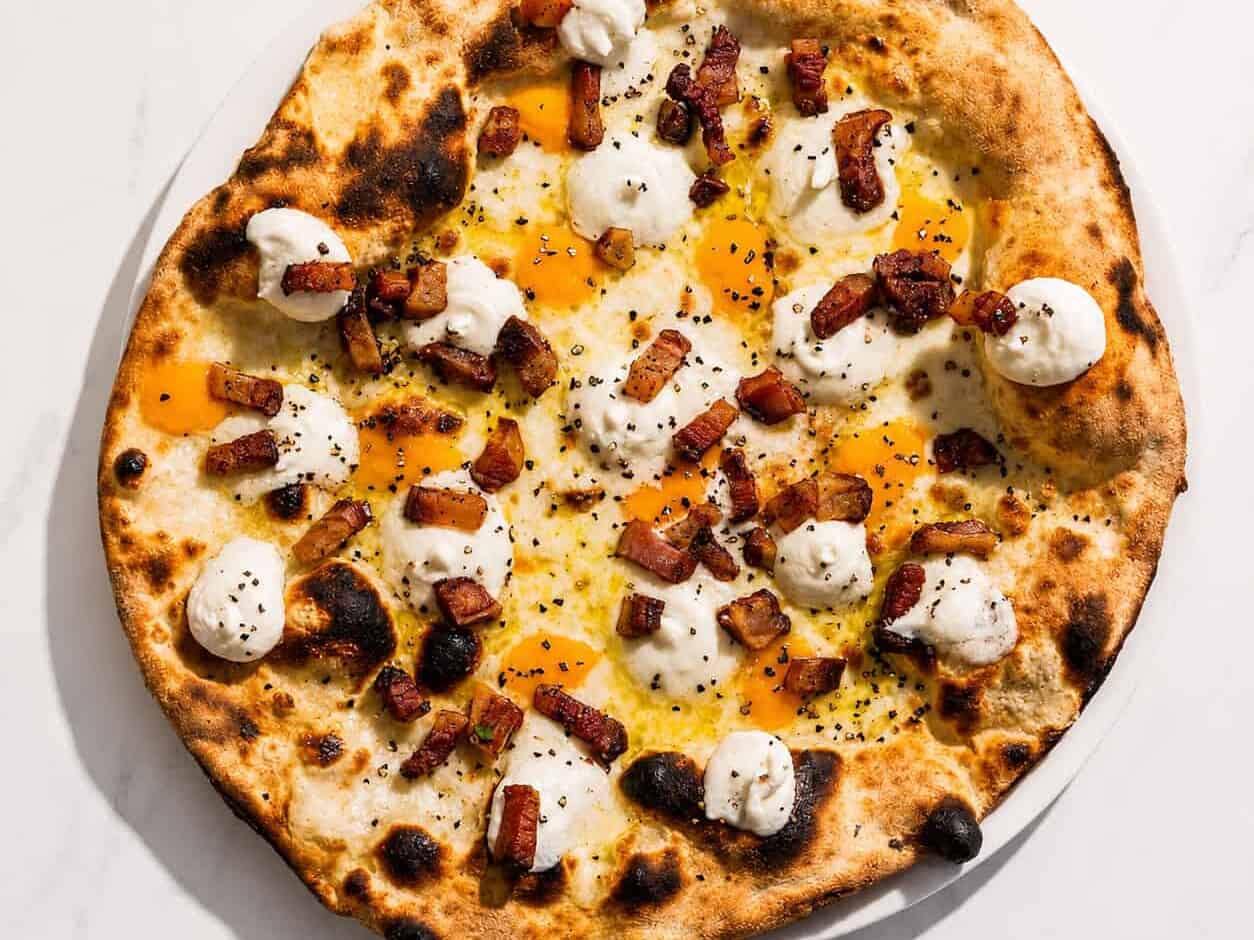
What Is Carbonara? The Roman Dish Behind the A’ Carbonara Pizza
At 170 Grammi, an Italian restaurant on Crown Street, Surry Hills, the A’ Carbonara pizza takes its name from one of Rome’s most recognisable pasta dishes — and one of its most widely misunderstood. Carbonara is not a cream…
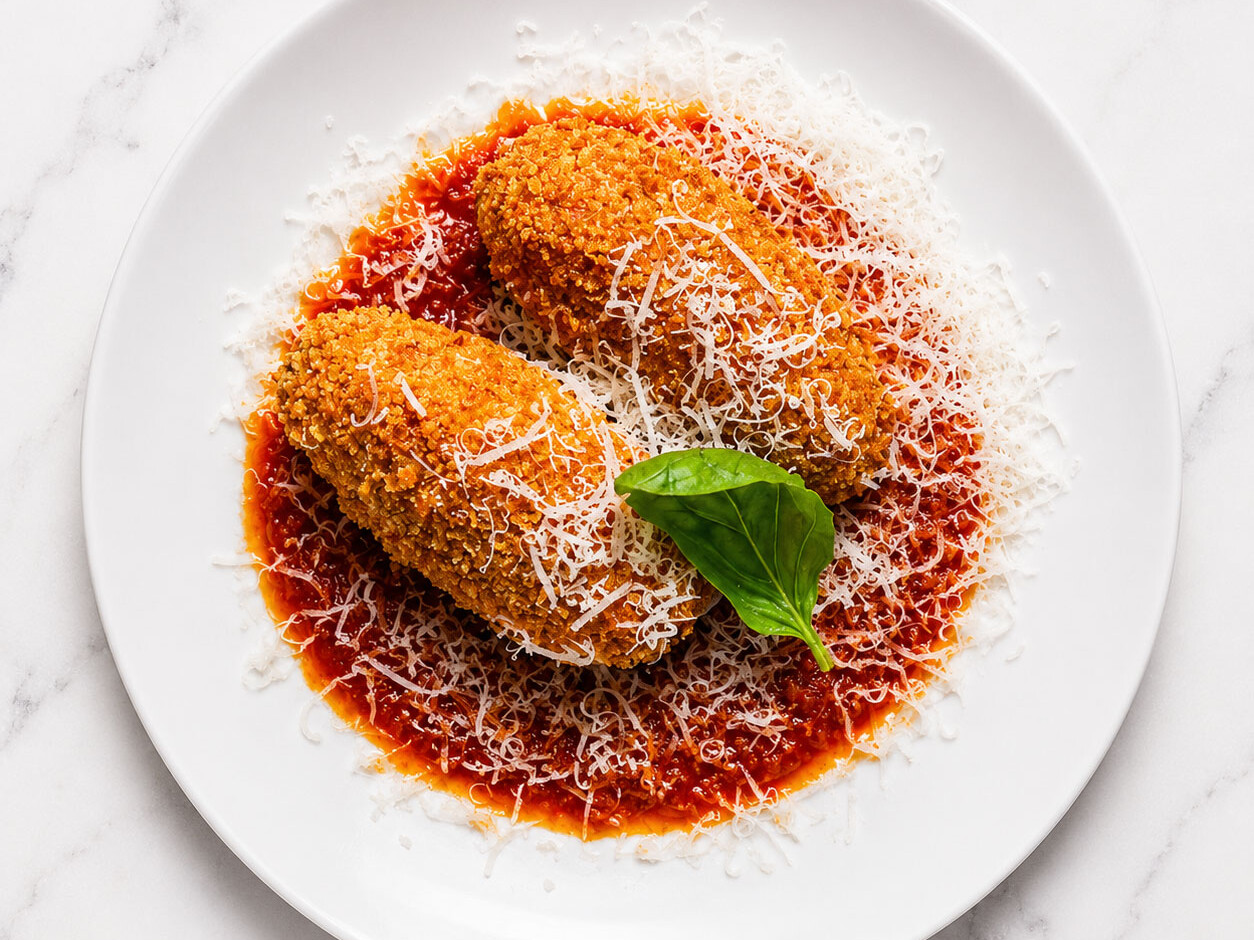
What Are Supplì? Rome’s Fried Rice Ball, Explained
At 170 Grammi Pizzeria on Crown Street, Surry Hills, the antipasto menu begins with supplì di riso al telefono. Before the pizza arrives, before the pasta, Roman dining typically starts here: with something fried, crisp on the outside, and…
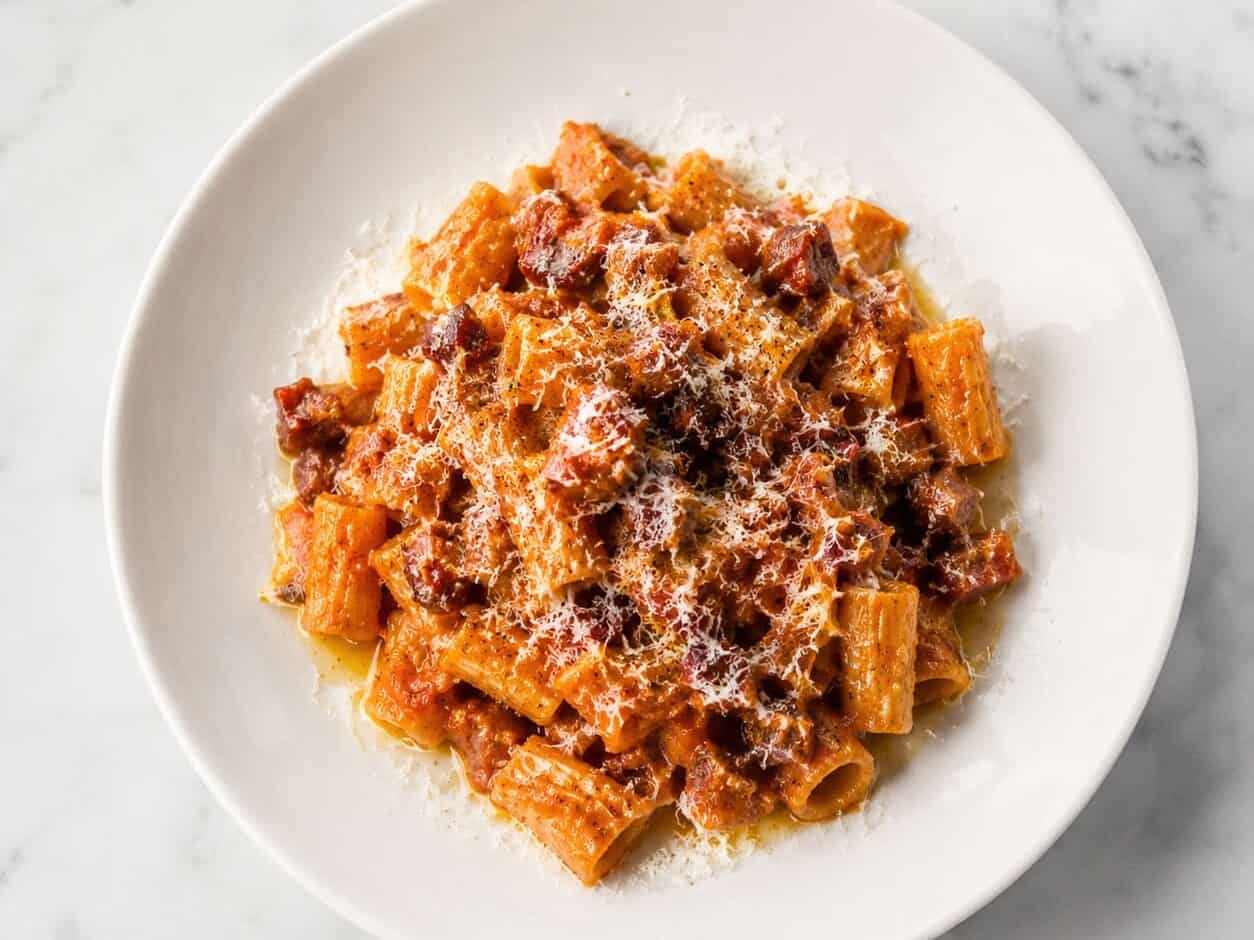
What Is Amatriciana? Rome’s Most Debated Pasta Sauce, Explained
At 170 Grammi, an Italian restaurant in Surry Hills, the Rigatoni Amatriciana is one of the most ordered dishes on the pasta menu. Behind it is one of Rome’s most argued-over sauces — a study in three core ingredients, where every…